Wasatch Oral Surgery

Dental Implants: High Tech Teeth

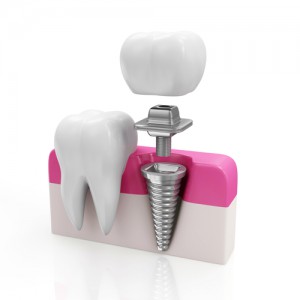
What are dental implants? Dental implants are replacement tooth roots that provide a foundation for both fixed and removable replacement teeth. Like roots, dental implants are secured within the jawbone and not visible once surgically placed. Teeth replacement is not new to dental technology. Early civilizations practiced teeth replacements; archaeologists have discovered skulls where teeth have been replaced by cast iron and sea shells. Despite their primitive methods, some of these implants were fused with bone like modern dental implants! However, unlike the ancient cast iron or sea shell implants, modern implants are composed of titanium. Titanium is lightweight, strong, and biocompatible.

Dental Implants-High Tech Teeth

According to the American Academy of Implant Dentistry (AAID), dental implants have the highest success rate of any implanted surgical device — 98%. Dental implants are available in several designs that meet individual needs: single tooth replacement, multiple tooth replacement, implant supported prosthesis (removable), and an implant stabilized denture. Aside from meeting individual needs, there are a few other advantages to having dental implants:

  1. Improved appearance. Dental implants are designed to fuse with bone, and look and feel like your natural teeth.
  2. Improved comfort. Because dental implants become an extension of your natural mouth, implants remove the discomfort associated with removable dentures.
  3. Easier eating. Dental implants act as your natural teeth, allowing you to eat without the pain and discomfort that often accompany slipping of dentures.
  4. Improved self-esteem. Dental implants give your best natural smiling, helping build self-confidence!
  5. Improved oral health. Dental implants are the only proven way to prevent bone loss after the loss of natural teeth. The jawbone needs consistent chewing action to stimulate continual bone growth. Tooth/teeth replacement with dental implants offers a solution to prevent bone loss.
  6. With proper care, consistent brushing, flossing and routine dental visits, dental implants can last 40-years to life.

If you are interested in dental implants, or have any questions regarding the procedure, call Wasatch Oral Surgery at Wasatch Oral Surgery Office Phone Number 801-561-8088 today!

Dental Implants: FAQ

Dental implants are becoming more and more popular these days, and we can see why. The ability to replace a missing tooth with a brand new one is an attractive concept.

We know that people often have questions about implants, so we have put together this page to answer those common questions:


What is a dental implant?Dental Implants FAQ

Implants are artificial teeth that function exactly like your natural teeth. We take a titanium screw, attach it to your jaw, allow the jaw to grow around the screw, and then fit the new tooth in right where the old one used to be. It will feel exactly like your old tooth used to when you had it.


How quick is the procedure?

It depends on just how strong and healthy your jaw is. Your jaw may very well be ready to receive the new tooth quickly, but it may also take time to grow around the screw. If your jaw is weak, we can also transplant bone from other parts of your body first, via another procedure called “bone grafting”, to grow a fresh, strong base where the screw can be inserted. If that is the case, the whole process takes more time, but again, it depends on your case.


Does it hurt?

No. Medications and anesthesia are available to reduce or eliminate pain. You shouldn’t feel a thing.


Since it’s an artificial tooth, do I need to care for it as if it were alive?

You should clean and maintain your implant exactly like you do with your living teeth. Though the implant isn’t going to die, it can still allow bacteria to build up, like your other teeth do. Clean all of your teeth with care, and they should all stay healthy.


How long do they last?

If your implant is taken good care of, it should last a long, long time. Perhaps 40 years and sometimes even a lifetime!


What should I eat after the procedure?

Eat soft food. We will help you decide on a diet that works for you depending on the specifics of your case and treatment.


Have more questions? Call us! We would be glad to set up an evaluation.

Facial Trauma: Let a Pro Handle Your Injury


Facial trauma covers an array of conditions, but in general it’s an umbrella term for facial injury. This covers everything from tooth damage to eye socket injury. When it comes to mending damage to your face, you want to make sure an expert handles it. Facial trauma is not just about pain; it’s an emotional issue as well. This is about your face, and making sure you when you recover from your injury, you are still just as happy to see yourself in the mirror.


Facial trauma is a term that covers an array of conditions. There are soft tissue injuries, bone injuries, and injuries to special regions (including nerves, glands, or eyes).


Soft Tissue InjuryFacial Trauma Let a Pro Handle Your Injury

Suturing repairs laceration to soft tissue. These can be dissolvable stiches that your body absorbs, or artificial material that must be taken out later. Suturing facilitates faster healing, avoiding infection, and more cosmetically pleasing results. The main concern here is that you heal from the procedure looking as good as you did before your injury, and so we are always sure to closely examine you for nerve and gland damage. Your healing time will depend on the seriousness of your injury, and we can inform you on what to expect.


Bone Injury

We can’t put a cast on your face. How great is that? The alternatives depend on who/what/where/when of your particular case. In the case of a serious jaw fracture, we want to immobilize the fracture the same way a cast would. Since a cast is out of the question, we may wire the jaws together and use tiny plates and screws to hold the bone in the right place. While this sounds extreme, it leads to faster recovery time and a more rapid return to proper function.


Tooth Injury

Tooth injuries are very common, and just like the above injuries, require procedures that vary depending on the case. If your tooth gets chipped or knocked out, place it milk or salt water, and then call your dentist or our office immediately. The longer you wait, the less likely it is that your tooth will survive. Also, don’t wipe the tooth off, as you could destroy important ligaments.


As you can see, facial trauma is a very complex, very delicate issue. If left in the wrong hands, the injury could heal in a less than preferable way, which could then necessitate another surgery to fix the results of the last one. If you have an accident, make sure you give our office a call so that we can handle your case, and get you looking good as new.

The Miracle of Bone Grafting


Bone grafting is something of a miracle. Although you only get one set of bones, it’s actually possible to convince your body to repair itself with new bone material where you need it most. We aren’t talking about growing a whole femur. We’re talking about growing just enough bone material to strengthen weak spots in your jaw.

Why would I ever need this?

Let’s say you need a dental implant. You’re sick of that hole in your mouth where one of your teeth used to be, and you’re ready for a shiny new tooth to fill the gap. The problem is, your bone just isn’t strong enough to support the implant. Maybe you have periodontal disease, and the jaw bone is just too weak. Bone grafting may be necessary.


The Miracle of Bone Grafting for Dental ImplantsHow does it work?

Simply put, bone grafting is the process of taking a little bone material from another site in your body and placing it where it is most needed. The healthy bone then fuses with the weak bone and encourages your body to grow more bone in the site, rebuilding the area to the point where it can support an implant.


There are a few ways to do this.

Sophisticated sounding terms to impress your friends:


Autogenous bone graft – Bone is removed from another site in your body and transplanted to where you need it. If you need just a little bone, it can be taken from another site in your mouth. But if there is not enough good material in your mouth, or you need a sizeable amount, it can be taken from your hip, or your shin.


Allograft – Synthetic bone can be grown in a lab, or taken from a cadaver         bone. This is a perfectly safe, proven procedure, though your best bet is always your own bone material. Your body knows there’s just no place like home.


Xenograft – Cow bone. Yes. Your body will accept cow bone. In this scenario, no secondary donor site is needed, so it may be a great option if you are uncomfortable with having bone taken from another site in your body. This is a perfectly safe procedure. Your jaw can be beefed up with bovine bone.


No online article will let you know for sure whether or not you need bone grafting, but it is good to know something about it. Give us a call and come on down for a consultation, and we’ll let you know exactly what we think the best option is for you.

After Surgery: What to Feed a Delicate Mouth


There’s nothing like oral surgery to make you appreciate the solid foods and acidic drinks you can’t have right away. Sandwiches, chips, and orange juice should all be avoided after oral surgery such as wisdom tooth removal, dental implant surgery, and orthognathic surgery. Too much chewing can re-open the sensitive areas of your mouth, and can cause bleeding or infection. But don’t worry – we have a few healthy food and beverage recommendations you can use while your mouth is delicate.

After Oral Surgery---What can I eat?

First 24 Hours


For the first 24 hours after your surgery, your teeth/jaw will need some time off. Therefore, smoothies, low-fat jello/puddings, and warm (not hot!) soups will be the most beneficial for your healing process. Soft foods are your friends! It is extremely important to refrain from using a straw, as the sucking causes excess strain, which can delay the healing process.


Here are a few recommendations for the first 24 hours:


Banana Shake- A healthy, filling way to start the day after your surgery. Don’t use a straw! Also, bananas help replace electrolytes and maintain fluid balance within your body. Other milkshakes and smoothies work great too, as long as they don’t have seeds in them that can get stuck in wounds.


Applesauce- You can’t eat apples, but this is the next best thing!


Soup- Soup with soft content is a great way to go. Don’t include chunks of food that need lots of chewing. Make sure that it’s the right temperature for your sensitive mouth.


Mashed Potatoes- The softest food around. Mashed potatoes require very little effort from your mouth and have great calories and nutrition. Try different toppings to make things interesting.


Next Few Weeks


Over the next few weeks, you will start easing into enjoying solid foods again. Here are some tasty transitional foods (some can even help the healing process!)


Gnocci: Gnocci is one of the softest pastas there is. Try it with tomato sauce, powdered parmesan cheese and a hearty meat filling.


Hamburger Stroganoff : Minced or finely sliced meat is a good place to start, and cooked mushrooms should be soft enough not to bother you. Added sour cream will give the dish a smooth consistency.


We hope that these recommendations help! We genuinely want you to heal as quickly as possibly while maintaining a healthy lifestyle. Feel free to call us with any questions about the post oral surgery process.

Bite Sized Wisdom: Facts on Wisdom Teeth


Wisdom teeth. The late blooming elder teeth of your mouth behave a little differently than your other teeth.


Know the facts:


  • Wisdom teeth get their name from the time frame at which they finally show up in your mouth. They typically appear in a person’s late teens or early twenties, sometimes called “The age of wisdom”, though your parents may disagree.
  • Bite Sized Wisdom: Facts on Wisdom TeethWisdom teeth cause trouble because they often grow at odd angles. This makes it hard for them to break out of your gum, if at all.
  • Another reason wisdom teeth often can’t get out of gums is because there is not enough room for them. The plus side is that this could be because you’ve kept your teeth nice and straight.
  • Some people never grow wisdom teeth!
  • Wisdom teeth, among other teeth, house valuable stem cells that can be saved to help you treat other conditions you may have down the road. A pearl of wisdom for you.
  • Wisdom teeth removal, with proper sedation, is painless. The tough part is recovery, which can last a few days to several weeks. Following your physician’s instructions will help you through recovery as quickly as possible.
  • In ancient times, when diets were harder on teeth, wisdom teeth made more sense. People couldn’t influence the way their teeth moved around so it was easier for wisdom teeth to find space to pop in. With today’s high-quality dental care, wisdom teeth aren’t necessary.
  • Given that most people end up removing these teeth surgically, research is being done to find ways to prevent their growth altogether. This would save a trip to the surgeon!
  • You may or may not ever notice that your wisdom teeth need to be removed. Some people notice some pain or irritation, some notice nothing at all. Making an appointment with our office is the only way to know for sure.
  • Most people have four wisdom teeth. It’s possible to have fewer or more than four, though it’s very uncommon.


Wisdom teeth can be quirky and troublesome. To make sure you or your child’s wisdom teeth aren’t creating difficulties down the road, make an appointment with us today!

What is Orthognathic Surgery?

What is Orthognathic Surgery?


Orthognathic surgery is a procedure, or set of procedures, that make corrections to the jaw. The jaw serves many functions. It isn’t just for chewing. A healthy jaw also plays an important role in your speech, ability to sleep well, as well as maintain a proper bite, airflow, and facial symmetry.


What is Orthognathic Surgery?Your jaw can be misaligned for a number of reasons. Perhaps you suffered an injury that wasn’t corrected properly. Maybe things just grew that way. It may very well be that a slight misalignment is no issue, but it’s worth giving us a call to find out just how severe your misalignment is, and what it means for your health.


Reasons to ask about jaw surgery:

Unexplained Pain

Sometimes, unexplained pain elsewhere in the body is caused by the activities of your jaws. Your headaches and even neck pain may be the result of excessive pressure in your jaw due to grinding or bite issues.


Air Flow

The position of your jaw can also restrict air flow while you sleep. Misaligned jaws are a common cause of sleep apnea. It could very well be that your fatigue and stamina issues stem from a misaligned jaw.


Mechanical Problems

If you have trouble chewing, meeting your lips together or can see a visible imbalance in your appearance, it may be that you have jaw misalignment issues that can be corrected with surgery. It is also worth noting that a great deal of jaw issues cannot be detected by looking in the mirror, but we think it’s a good place to start.


A Common Treatment Plan:


Your treatment plan will depend on your needs, but for a major jaw correction we often start with braces to move teeth into a better position, and then surgically correct the position of your jaw. This happens after a consensus is made between your family dentist, a maxillofacial surgeon an orthodontist and yourself.


Surgery is done under anesthesia, so you won’t feel a thing while the procedure occurs.


Afterward, you’ll be given a schedule to modify your diet, activity, and be given medication so as to heal as soon as possible


Contact us for a consultation to see if corrective jaw surgery is for you!


How to Check Yourself for Oral Cancer

Oral cancer is serious business. The good news is that you can do something about it. Regular self-examinations may help you pick up on warning signs in time to act on them. Oral health professionals are experts on mouths, but the only expert on you is YOU. If you notice something strange going on in your mouth, contacting a professional at our office is your best mode of action.


The first and most important thing to remember is oral cancer is often painless! The second rule to remember is that if you aren’t sure, ask! Its better to ask now and be sure than to wish you had asked. There are no dumb questions when it comes to looking for oral cancer. And, most importantly: any suspicious area that doesn’t resolve on its own in 14 days should be checked out ASAP.


The key to eliminating oral cancer is to act on it early. Here are some things to check regularly.


Your TongueHow to Check for Oral Cancer

Look for lumps and bumps on the upper and lower surfaces of your tongue. Feel around for odd textures, bumps, discoloration or swelling. Place the tip of your tongue on the roof of your mouth to peek underneath. Don’t limit your search to the red flags above. Use your fingers and your vision.


Your Cheeks

Gently feel your cheeks for bumps and swelling. You can do this by placing your finger on the interior and your thumb outside your cheek. Lightly squeeze and feel around for anomalies.


Your Lips

Take a good look at the interior of your lips with a hand mirror. Keep an eye out for the same signs. Lips are harder to be sure about because they are constantly drying, wetting, and being scraped as we eat and speak. Nonetheless, lips are prone to cancer given that they re always exposed to sunlight. Better safe than sorry.


Your Head/Neck Area

Closely examine your head and neck for lumps and protrusions. A bump or lack of uniformity is absolutely worth checking out. Ask us at your next visit to check out your throat too. Keep an eye out for sensitivity and soreness.


With oral cancer, the key is to keep your eye out for anything out of the ordinary. Anything that seems strange is worth noting and calling our office about.


Call us today for a check up!

Wisdom Teeth FAQs

Our patients often wonder why we recommend wisdom tooth extractions, or what the purpose of wisdom teeth even is. We are eager to help you better understand the benefits of removal and the extraction process! Read on for the answers to some frequently asked questions about those tricky third molars.

Wisdom Teeth FAQWhy do we have wisdom teeth?

Human ancestors used their wisdom teeth to grind up food that was hard to digest. They had large jaws and powerful teeth with plenty of room for a third set of molars.

Modern humans, however, eat cooked foods and have a more effective digestive system, so we have evolved smaller jaws and teeth. This means less room in our mouths for wisdom teeth.

Why do I need to have my wisdom teeth removed?

There are several reasons why you may benefit from having your wisdom teeth extracted, as wisdom teeth can cause a variety of short-term and long-term complications.

  • Impaction: If there is not enough room for your wisdom teeth to erupt, they can become impacted, causing them to grow in at an angle. You may experience pain or discomfort while eating due to impaction.
  • Damage to other teeth: Impacted wisdom teeth can push against your second molars, potentially damaging them and making them more susceptible to tooth decay.
  • Disease: Narrowed spaces between molars due to impaction also allows for bacteria to form more easily, putting you at risk of inflammation, cysts, and periodontal (gum) disease.

When should I get my wisdom teeth out?

Wisdom teeth usually erupt between the ages of 17 and 25, which means that many people get their wisdom teeth extracted before they graduate high school. The longer you wait, the more complications may arise. The roots of your wisdom teeth continue growing as you get older and may eventually come in contact with a nerve. At this point, nerve damage is a possible outcome of wisdom tooth extraction.

When are wisdom teeth okay to keep?

Sometimes, wisdom teeth have room to erupt healthily and do not need to be extracted. If this is the case, your dentist may recommend you keep your third molars.

Make sure you are coming in for regular check ups so our team can keep an eye on your wisdom teeth. Consult with our practice about the right course of action for your wisdom teeth, because everyone’s teeth are different.

Dental Implants: What’s all the Hype?

These days, we all know someone who has a dental implant, and you have probably heard us champion these teeth substitutes, as they become more and more the common cure for missing teeth!

Dental Implants: What's all the Hype?But why?

We think that’s a valid question and it deserves a good answer!

Bone Loss

Any oral health professional will tell you that living with a missing tooth can have negative consequences that go well below the gum line. The problem doesn’t stop at the single tooth that goes missing. The jawbone also suffers. When there is not a tooth set in the jawbone offering regular stimulation, you lose bone mass in that area. That loss of jawbone contributes to a decline in facial aesthetics as the jaw shrinks away. The loss of jawbone also means that when you do have an implant later in life, you will likely require extensive bone grafting prior to the implant procedure. Traditional tooth “replacement” methods such as dentures and bridges do not solve the problem of bone loss.

In contrast, dental implants eliminate these problems and encourage a healthy, strong and adequate jaw by integrating with it (also known as: osseointegration). The implant then provides regular stimulation (as you chew food), and keeps the jawbone in proper health.

Lifestyle and Diet

Most people with dentures report that in addition to living in fear of their dentures falling out in social settings, they also must live with a restricted diet, unable to enjoy the foods that they previously ate. This same restricted diet goes for those with wobbly bridges and crowns as well. More often than not, those restricted foods are some of the healthiest ones, such as crunchy, fibrous fruits and vegetables.

Dental implants look and feel nearly identical to your regular teeth, and are second only to your natural teeth when it comes to form and function. Dental implants allow you to eat and live freely with a healthy diet and without fear. In addition to that, dental implants have a 98% success rate and can often last you for a lifetime!